
Pick Your Neighborhood
Centro Storico
Inside the old walls: small hotels and B&Bs in historic palazzi, every sight and restaurant on foot, the passeggiata outside your door. Downsides: driving/parking is awkward (ask your hotel about ZTL permits and garages — hotels can usually register your plate), and rooms book out during trade fairs.
Around the Train Station
Functional hotels a 10-minute walk from both the platforms and the Corso. Ideal if Vicenza is your base for daily train day-trips to Venice, Verona, and Padua. Less atmosphere at night, unbeatable logistics.
East Side / Viale della Pace
Business-style hotels and apart-hotels within walking distance or a short drive of Caserma Ederle. The pick for families visiting soldiers, TDY travelers, and PCS house-hunting trips. The center is 10 minutes by car or bus, ~35–40 on foot.
Monte Berico & the Hills
A handful of guesthouses and villas on the green hill above town: views, quiet, and a beautiful walk down the arcades into the city. You'll want a car or tolerance for the climb home.
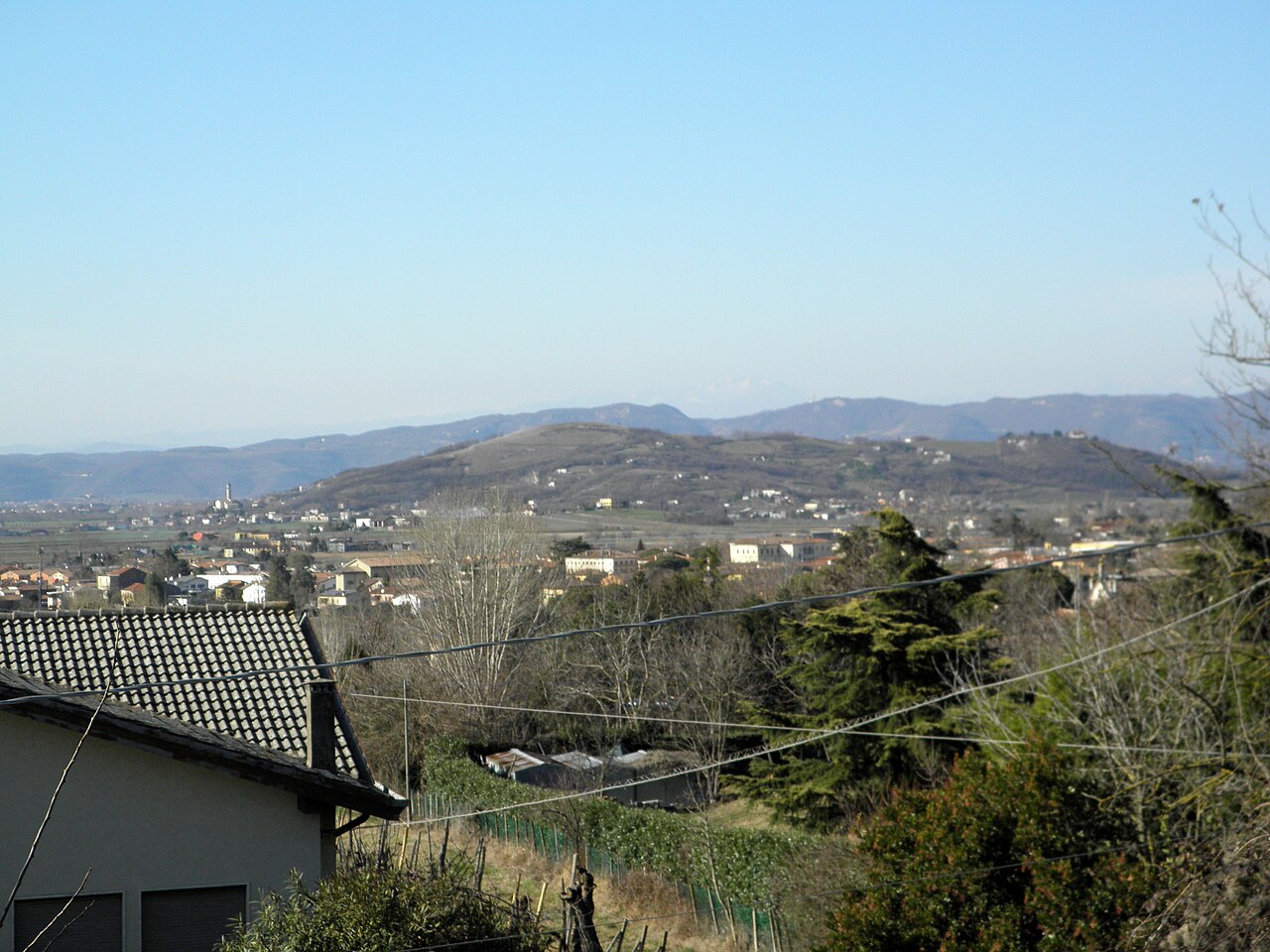 Best with a car
Countryside Agriturismi
Farm-stays in the Colli Berici or the Breganze wine hills, 15–30 minutes out: home cooking, vineyard views, pool in summer, and rock-bottom prices for what you get. The classic Veneto experience for a longer stay.
Apartments & B&Bs
Vicenza's short-let and B&B scene is good value and often family-run. For stays of 4+ nights or with kids, an apartment with a kitchen near Porta Castello or Santa Corona is hard to beat.
When Vicenza Fills Up
The city's hotels run on business and trade-fair traffic more than tourism. Prices spike and rooms vanish during:
- VicenzaOro — the international gold and jewelry fair, typically January and September, the biggest crunch of the year.
- Other major fairs at the Fiera exhibition center through the year.
- The Rua festival and Teatro Olimpico season in September.
- Weekends when Verona Arena opera or big Venice events (Carnevale, the film festival, Biennale openings) overflow along the rail line.
Booking Tips & the Tourist Tax
- Tourist tax (imposta di soggiorno): Italian cities charge a small per-person, per-night tax (a few euros, varying by hotel category), often payable at checkout and sometimes cash-only. It's legitimate — budget for it.
- Breakfast: Italian hotel breakfast is pastries, coffee, and cold cuts, not eggs and bacon. If it's not included, the bar around the corner does it better for €3.
- Air conditioning matters June–August (the Po plain is humid); confirm the room has it. Conversely, many older buildings have glorious but creaky heating in winter.
- ID at check-in: Italian law requires hotels to register every guest's passport or ID card. Handing it over for scanning is normal.
- Driving in: tell centro storico hotels your plate number in advance so they can authorize you through the ZTL, and ask exactly which gate to use — it saves an €80 lesson (details).
- Longer military stays: for PCS transitions, ask east-side hotels and apart-hotels about weekly/monthly rates — most have quiet arrangements for the American community, and on-post lodging often overflows in summer rotation season.