
The Dishes You Must Try
Baccalà alla vicentina — the city's signature
Dried stockfish (confusingly called baccalà here, though elsewhere in Italy that word means salted cod) soaked for days, then braised slowly with onions, anchovies, milk, and Parmesan until it becomes a silky, savory cream, always served with grilled or soft white polenta. It sounds humble; done well, it's extraordinary. A local brotherhood — the Venerabile Confraternita del Bacalà — guards the official recipe and certifies restaurants. If it's on the menu, order it.
Everything else on the vicentino table
Sopressa vicentina DOP
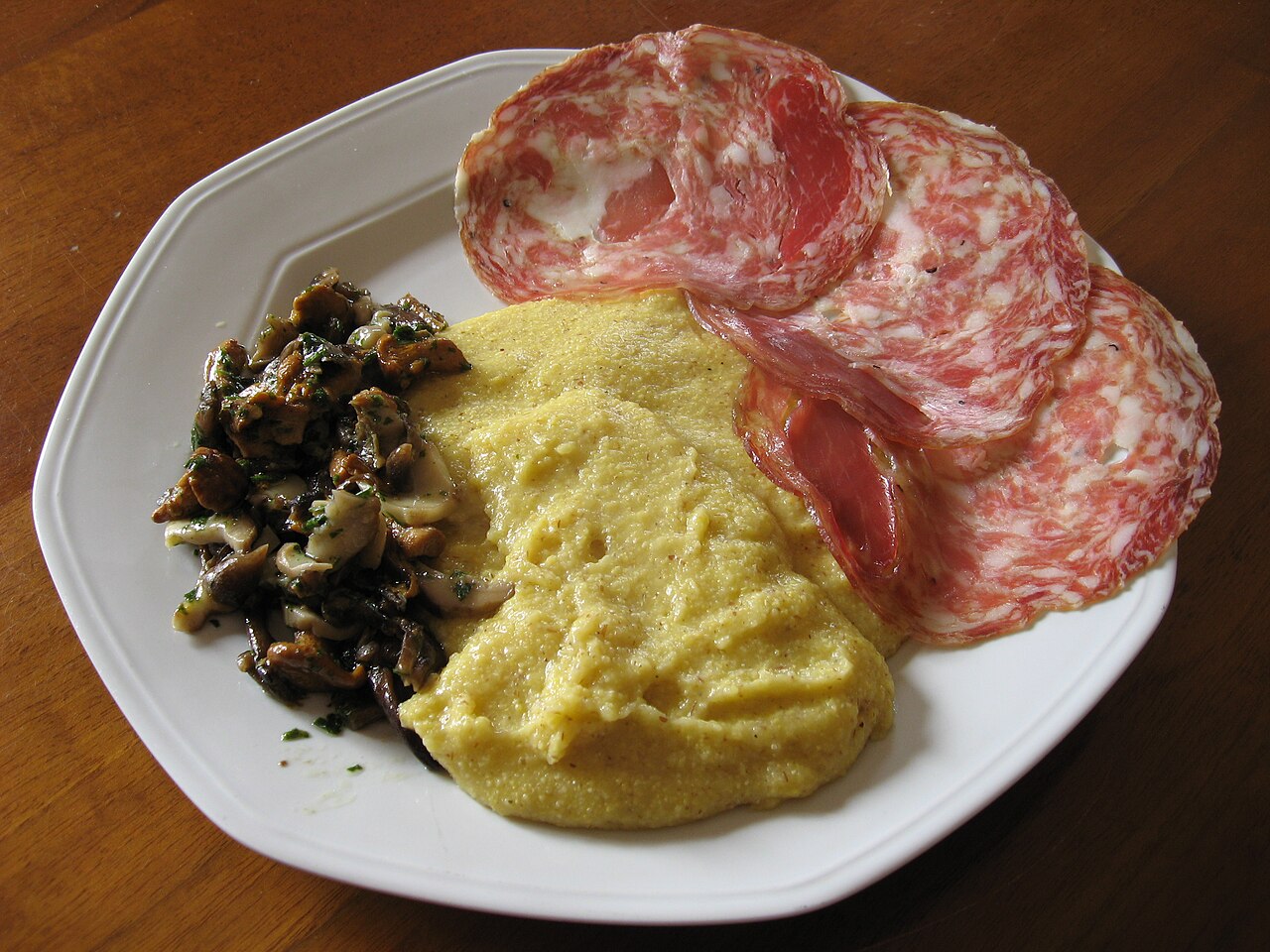
A large, soft, gently spiced cured salami — the pride of every valley butcher. Eaten in thick slices on bread or grilled polenta, often with a glass of red.
Asiago DOP
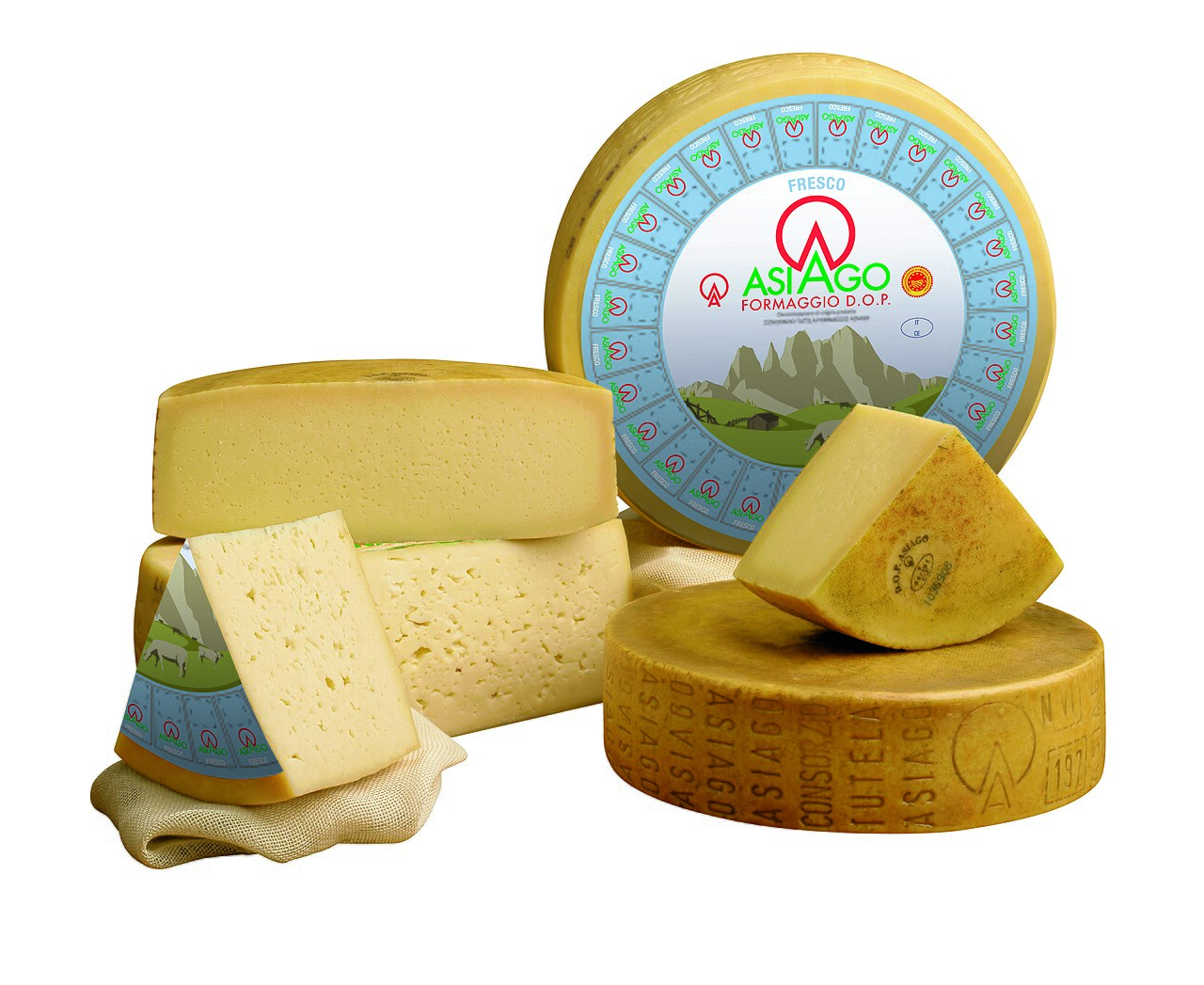
The famous cheese comes from the Asiago plateau in Vicenza's own mountains. Try fresco (mild, milky) and stravecchio (aged, sharp, crystalline) side by side.
Bigoli
Thick, rough whole-wheat spaghetti made with a bronze press, classically served con l'arna (with duck ragù) or with anchovy and onion.
Risi e bisi
The Veneto's beloved spring dish — a soupy risotto of rice and fresh peas. Late April to June only, when local peas are in season.
White asparagus of Bassano DOP
In April–May, the prized white asparagus from nearby Bassano appears everywhere, traditionally served with chopped hard-boiled egg sauce.
Polenta everything
Grilled, soft, or fried — polenta is the historic staple. Polenta e sopressa at a country osteria is the taste of the province.
Gnocchi & gargati
Look for hand-rolled gnocchi (a specialty around Posina and the mountains) and gargati, a local short tube pasta often served with a hearty consiero sauce.
Dolci
Tiramisù was born in the Veneto; also try putana (a rustic bread cake), zaletti (cornmeal-raisin cookies), and gelato — everywhere, always.
Wine & Aperitivo
Local wines worth ordering
| Wine | What it is |
|---|---|
| Tai Rosso (Colli Berici DOC) | Light, spicy red from the hills just south of the city — Vicenza's own grape, cousin of Grenache. |
| Gambellara DOC | Crisp white from Garganega grapes, grown minutes east of town; the sweet recioto version is a treat. |
| Breganze DOC | Reds and whites from the foothills north of Vicenza. The star is Torcolato, a golden dessert wine from dried Vespaiola grapes. |
| Lessini Durello | Sharp, mineral sparkling wine from volcanic hills — the local answer to Prosecco, beloved by sommeliers. |
| Prosecco & Soave | Not from Vicenza province, but both made next door and poured everywhere, well and cheaply. |
Aperitivo: the sacred hour
From about 18:00, bars fill for aperitivo — a drink with free snacks (chips, olives, sometimes little sandwiches). The default order is a spritz: Aperol (sweeter, orange), Campari (bitter, red), or — the local old-timers' choice — Cynar. In the Veneto a small glass of wine is an ombra ("shade"), and a round of ombre with cicchetti (bar snacks) is a way of life. A spritz typically runs €3–5 — one of Italy's great bargains.
Grappa
The national firewater was perfected in Bassano del Grappa, 35 minutes north, where the Nardini distillery has poured since 1779. After dinner, ask for a grappa or a caffè corretto — espresso "corrected" with a splash of it.
How Italian Meals Work
A full menu runs antipasto (starter) → primo (pasta, risotto, or soup) → secondo (meat or fish) with contorno (side, ordered separately) → dolce and coffee. Nobody expects you to order all of it — a primo and a secondo, or an antipasto and a primo, is completely normal.
- Hours are strict: lunch ~12:30–14:30, dinner ~19:30–22:00. Outside those windows, look for a bar with panini or tramezzini.
- Coperto: the €1.50–3 per-person cover charge on the bill is normal and includes bread.
- Water and bread arrive by default (bottled water — say naturale for still, frizzante for sparkling).
- Tipping: not expected. Rounding up or leaving a couple of euros for great service is plenty. See Essentials.
- Types of places: ristorante (formal), trattoria and osteria (casual, traditional, usually the best value), pizzeria (often evening only — the wood oven lights at dinner), bar (coffee, pastries, sandwiches, spritz — all day), bacaro/enoteca (wine bar with snacks).
- Reservations: book Friday and Saturday dinners, even at modest places. A phone call in simple English usually works; hotels will call for you.
Where to Eat: Areas, Not Ads
This guide doesn't push specific restaurants — they change, and half the joy is finding your own. Instead, know the hunting grounds:
- Piazza delle Erbe & the lanes behind the Basilica: the densest cluster of osterie and wine bars in town, lively every evening.
- Corso Palladio & side streets (Contra' Cavour, Contra' Do Rode): cafés, quick lunches, and historic pastry shops for breakfast.
- Piazza dei Signori: pay a euro or two more for the view; worth it at least once at spritz hour.
- Borgo Berga / Monte Berico direction: family trattorie beloved by locals, and the classic post-sanctuary lunch.
- The countryside: if you have a car, the agriturismi and osterie of the Colli Berici and the Breganze hills serve the province's best traditional cooking at painless prices — weekend lunch is the move.