
- The Bases in Brief
- Arriving
- For Visiting Family & Friends
- Living Without a Car
- Making the Most of the Tour
The Bases in Brief
Vicenza hosts US Army Garrison Italy and is best known as home of the 173rd Airborne Brigade, along with US Army Africa/Southern European Task Force elements and support units. Two installations sit on opposite sides of the city:
Caserma Ederle — "the base"
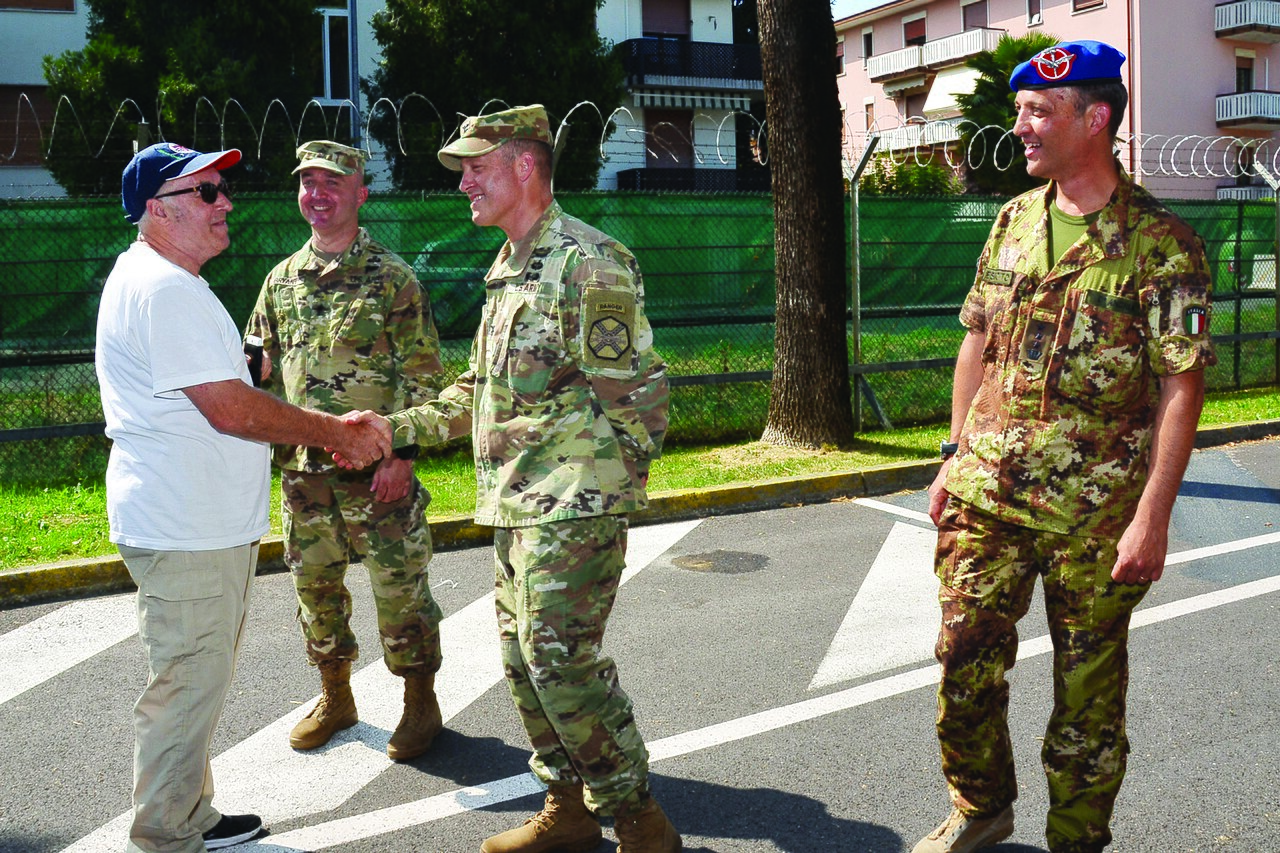
On Viale della Pace, the east side of the city, about 3 km from the centro storico. Named for Lieutenant Colonel Carlo Ederle, an Italian World War I hero, the post has been the US Army's home in Vicenza since the Southern European Task Force (SETAF) arrived in the 1950s. Today it hosts the garrison headquarters and most of daily American life: the PX and commissary, the Army Health Clinic, lodging, the USO, chapel, gyms, and community services. It's the post visitors are most likely to see — and it sits an easy walk, bike, or bus ride from downtown.
Caserma Del Din
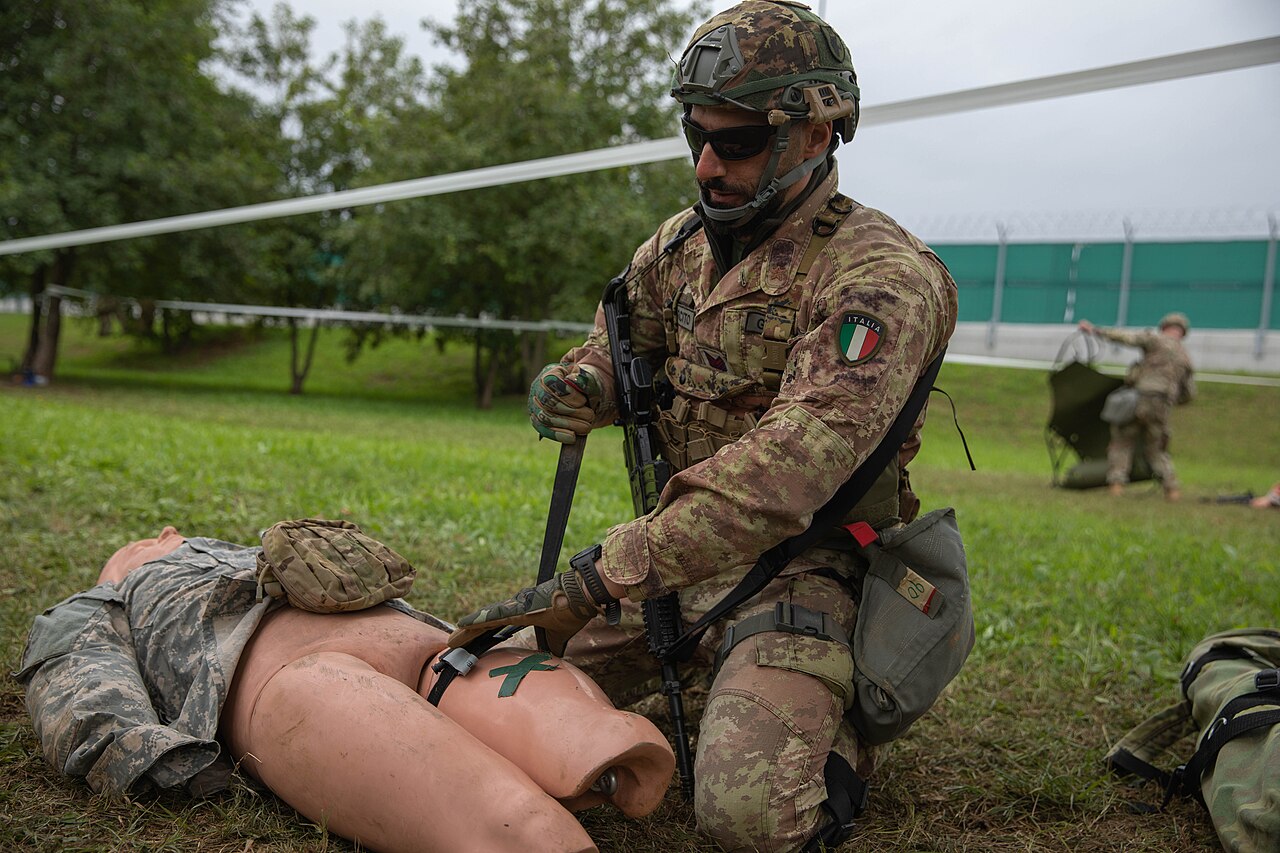
The newer installation on the northwest side of the city, opened in 2013 on part of the former Dal Molin airfield and named for Renato Del Din, an Alpini officer and resistance hero of 1944. Del Din is the working home of the 173rd Airborne Brigade's battalions — modern barracks, headquarters, dining, and fitness facilities. It's about a 15-minute drive from Ederle across town; most services and family life stay on the Ederle side.
Villaggio della Pace
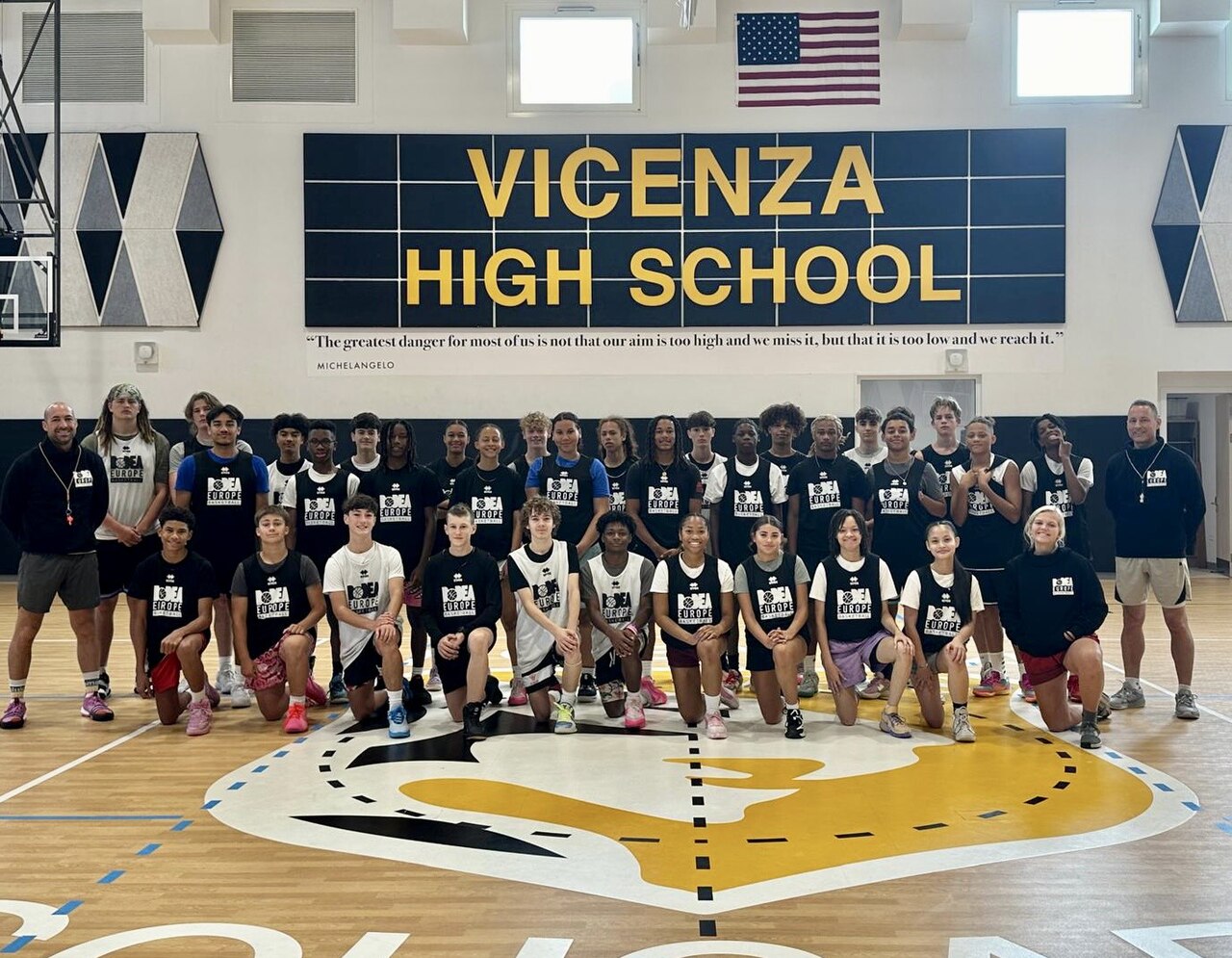
The American family housing area, a few minutes north of Ederle: a small American town dropped into the Veneto, with family housing, playgrounds, and the DoDEA schools — elementary, middle, and Vicenza High School (go Cougars). Many families choose instead to live "on the economy" in surrounding towns like Torri di Quartesolo, Creazzo, and Dueville, which is the fastest way to actually live in Italy rather than beside it.
Several thousand American soldiers, civilians, and family members live in and around Vicenza, and have since the 1950s — locals are used to Americans, many landlords and businesses near Ederle speak English, and the relationship between the city and the garrison is long-standing and mostly warm. Be a good ambassador; the community's reputation is built one interaction at a time.
Arriving: The First 72 Hours
- Airport: almost everyone flies into Venice Marco Polo (VCE). Your sponsor or unit typically arranges pickup; otherwise it's bus + train to Vicenza or a pre-booked NCC driver (see Getting Around).
- Jet lag strategy: Italy is 6 hours ahead of US Eastern. Push through to a 22:00 local bedtime the first night and you'll adjust in two to three days.
- Cash & cards: get some euros from an ATM (bancomat) — US cards work fine — and expect smaller shops and some trattorie to prefer cash. Community Bank and other on-post options come with in-processing.
- Phones: a local SIM/eSIM (Iliad, Vodafone, TIM, WindTre) with generous data costs €8–15/month, dramatically better than roaming. Bring an unlocked phone. Details in Essentials.
- Driving: you'll take the AFI driver's course and test during in-processing. Until then, ride with someone licensed, walk, or use taxis. Read the ZTL section before your first drive downtown — the camera fine is the classic newcomer tax.
For Visiting Family & Friends
Parents, spouses-to-be, and buddies visiting a soldier stationed here: welcome — you picked a great corner of Italy. The essentials:
- Base access: you cannot walk onto Ederle or Del Din on your own. Your soldier must sponsor and escort you, and current visitor rules vary — have them confirm the process with the garrison before you fly. Plan your trip assuming most of your time together happens off post (that's the fun part anyway).
- Passports, not orders: you're a regular tourist. US citizens get 90 visa-free days in the Schengen area. Check that your passport is valid well beyond your dates, and watch for the EU's entry/exit registration requirements now rolling out.
- Where to stay: if evenings with your soldier are the priority, pick a hotel on the east side near Viale della Pace/Ederle. If sightseeing is the priority, stay in the centro storico and let them come to you — it's a 10-minute drive or short bus ride. Specifics in Where to Stay.
- Getting here: fly into Venice (VCE); it's ~1.5 hours to Vicenza. Don't rent a car unless you're touring — trains cover Venice, Verona, and Padua brilliantly (Day Trips).
- The one-week visitor plan: two days for Vicenza itself (Sights), day trips to Venice and Verona, one countryside day (Bassano + Marostica or the Colli Berici), and one slow day of market, aperitivo, and a long lunch.
Living (or Visiting) Without a Car
- Ederle ↔ centro storico: it's a flat ~35–40 minute walk down Viale della Pace and Corso Padova into town, an easy bike ride, a short taxi, or an SVT urban bus from the stops on Viale della Pace toward the station.
- Train station: on the south edge of the center — from there, Italy opens up. Weekend trips to Venice, Verona, Florence, and Milan without touching a car (Getting Around).
- Bikes: Vicenza is flat and bike-friendly; a cheap used bike is the classic barracks solution. Lights and reflective gear are legally required after dark — and carabinieri do stop cyclists.
- Taxis: book by phone/app (Radio Taxi Vicenza); no Uber. Save the number before you need it at 01:00.
Making the Most of the Tour
- Leave the bubble. The gravitational pull of the PX–chow– barracks loop is real. The antidote: one standing habit off post — a Saturday market run, a weekly trattoria, a gym or club with Italians in it.
- Learn 50 words of Italian. The phrase table is enough to transform how you're treated. Free classes are often available through community programs on post.
- Eat where the menu is handwritten. The strip of American-friendly places near the base is fine, but the osterie behind Piazza delle Erbe are why you're in Italy (Food & Drink).
- Travel constantly. You may never again live an hour from Venice, two from the Dolomites, and a cheap flight from the rest of Europe. The Day Trips page is your weekend menu.
- Know the rules that bite. ZTL cameras, train-ticket validation, the 0.5 alcohol limit (and stricter command policy), quiet hours in apartment buildings (typically 13:00–15:00 and after 22:00–23:00), and the recycling regime your Italian landlord takes very seriously.
- Festivals are the shortcut to belonging. Show up to the Rua in September, the Christmas market, and your village's sagra (Events) — nothing integrates faster.